If laminate is the “work shirt” of hard surfaces, the wear layer is the fabric that takes the abuse. In 2026, that fabric is under pressure because aluminum oxide grit is harder to source, harder to qualify, and harder to keep consistent at scale.
The tricky part is that shoppers don’t ask for aluminum oxide by name. They ask for scratch resistance, pet-proof claims, and warranties that feel safe. Meanwhile, manufacturers and dealers are juggling tighter inputs, more testing, and louder competition around the newest flooring trends and products.
This article breaks down where the constraints come from, how they show up in real product decisions, and what to do next.
Why aluminum oxide grit is a bottleneck in 2026 laminate
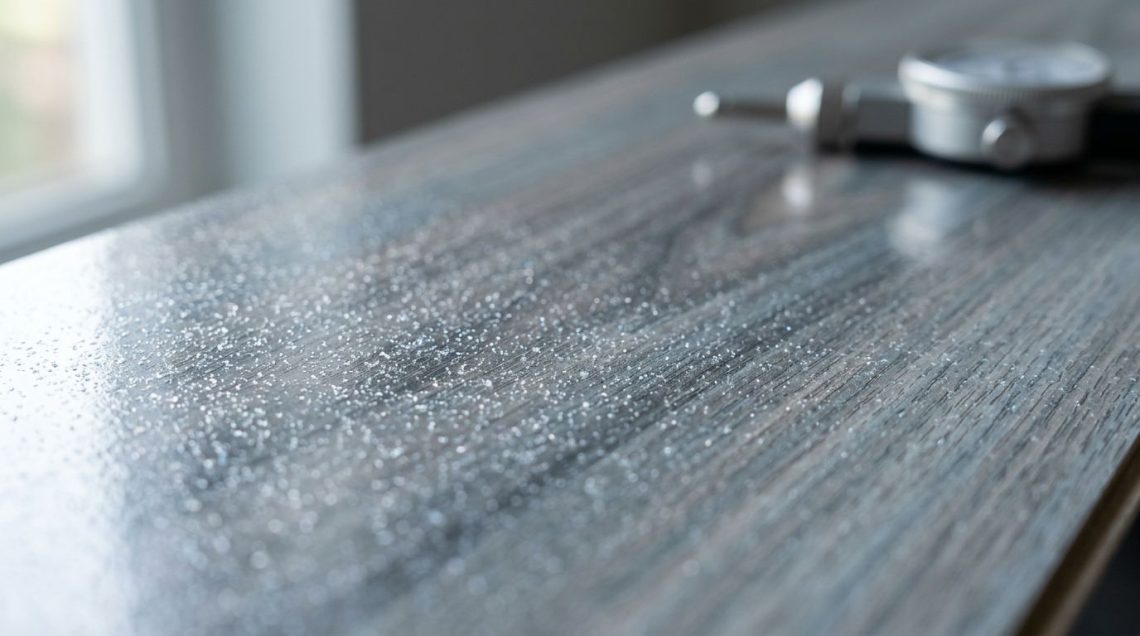
Aluminum oxide grit sits inside the clear, melamine-based top layer on many laminates. Think of it like tiny stones suspended in ice. The resin locks the “stones” in place, and the surface resists abrasion because those particles are extremely hard.
That sounds simple until you try to run it at high volume. Wear performance depends on details that don’t fit on a hangtag, like particle size distribution, cleanliness, and how evenly the grit disperses in the overlay or coating. If any of that shifts, the floor may still look right, but it won’t wear the same.
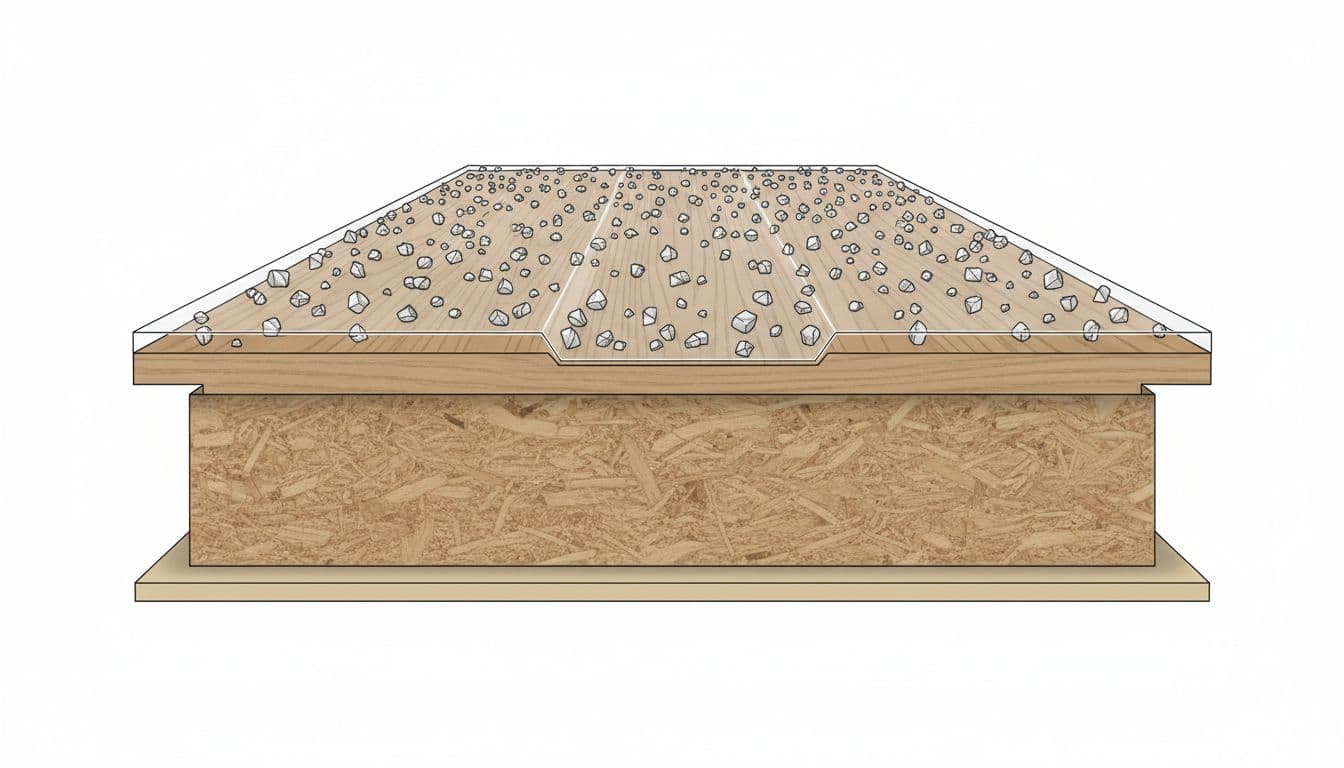
Design pressure adds to the squeeze. 2026 laminate is leaning into wider planks, warmer wood tones, and matte finishes, often paired with more realistic texture. Those “premium look” features can raise the stakes for the top layer because matte surfaces and deep embossing can reveal scuffs faster if the wear system is inconsistent.
Retailers also report renewed interest in laminate as budgets stay tight. Trade outlets covering flooring industry news have pointed to a better 2026 outlook for laminate, even while consumers remain cautious. When demand rises, wear-layer inputs tighten quickly.
For a plain-English refresher on how laminate is built, see this 2026 laminate flooring construction guide and this breakdown of laminate’s four main layers. The takeaway for pros is straightforward: the wear layer isn’t a marketing detail, it’s the product.
What’s driving 2026 grit constraints inside flooring manufacturing factories
In March 2026, there’s no headline regulation aimed at aluminum oxide in laminate wear layers. The constraints are more practical than political. Plants are dealing with supply reliability, batch-to-batch variation, and tighter internal qualification rules.
Three forces tend to show up first:
1) Grade consistency, not just availability. Abrasive grains come in many grades. Two shipments can share a spec name yet behave differently in a coating line. When suppliers switch sources or adjust processing, your line settings may suddenly “feel wrong.” This is why some teams treat aluminum oxide like a critical ingredient, not a commodity. A helpful primer on what changes between abrasive grades is this overview of aluminum oxide properties in abrasive performance.
2) Higher scrutiny across material inputs. Even when the topic isn’t aluminum oxide, the industry is moving toward deeper material testing. For example, recent flooring news highlighted new approaches to detecting PFAS in manufacturing inputs. That kind of shift often expands QA expectations across the board, including wear-layer raw materials.
3) Rising expectations for “real life” durability. 2026 shoppers want floors that look like wood, clean easily, and handle pets. Some dealer-facing commentary has called it a laminate “comeback.” You can see the tone in pieces like why 2026 laminate is better than ever, even if those articles don’t get into raw material constraints.
If your wear story depends on one additive, your supply chain is part of your product.
Here’s a quick way to translate grit constraints into what teams see day to day.
| What you see in the field | Likely wear-layer cause | What to ask your supplier |
|---|---|---|
| More early “micro-scratches” in dark colors | Finer grit mix, uneven dispersion, or resin balance shift | Particle size distribution and mixing controls |
| Same SKU, different wear results across lots | Lot-to-lot variation in grit grade or overlay | Lot traceability and incoming QA test plan |
| Higher rejects at the press or coating line | Grit contamination or viscosity drift | Cleanliness spec and process change notifications |
| Confusing test claims between brands | Different tests, different endpoints | Which standard, which cycle count, which pass/fail rule |
Testing language adds another layer of confusion. Some teams talk in abrasion classes, others cite scratch tests, and consumers hear “Mohs hardness” without context. If you need a practical explanation of scratch testing terms, this article on wear-layer scratch testing and hardness concepts can help align internal conversations.
How to respond in 2026: specs, sourcing, and annual flooring shows
Constraints don’t mean you can’t sell wear. They mean you need a tighter playbook.
Start with product communication. Instead of only repeating “AC rating” or “commercial,” train teams to translate performance into use cases. A retail associate doesn’t need chemistry, but they should explain why a matte, warm-tone plank will still look good after a year of dog nails.
On the manufacturing side, tighten three habits:
- Lock your incoming QA around behavior, not labels. Don’t rely on a grit name alone. Track what matters to your process and your test results.
- Treat resin and grit as a system. Small formulation changes can shift abrasion results. Document changes and retest fast.
- Plan alternates early. Dual-source strategies work better when qualified before a crunch.
Annual flooring shows matter more when specs are moving. Events like TISE in Las Vegas (late January), NWFA Expo (April), and Coverings (spring) are where a lot of the newest flooring products get positioned, questioned, and compared. Regional markets also play a role. Flooring Markets has promoted that a large share of attendees are decision-makers, and many attend mainly to source new lines. That’s useful when you’re checking whether a wear claim is consistent across brands and price points.
Also watch training calendars. Installer education, including early-2026 tile training pushes, shows how the industry keeps raising the floor on workmanship. Better installs reduce callbacks, and that protects your wear reputation too.

Conclusion
In 2026, aluminum oxide grit constraints aren’t about one dramatic rule change. They’re about consistency, qualification, and the gap between a spec sheet and real homes. Manufacturers that control variability will defend margins, even as input choices tighten. Retailers that explain wear in plain terms will sell with confidence, even as flooring trends shift. The best move is simple: treat aluminum oxide grit like a core performance component, because that’s what customers feel underfoot.
Keep reading
More in News: 2026 Tile Import Lead Times And Port Routing Changes To Track, 2026 PFAS rules and flooring, what contractors need to know about adhesives, underlayments, and customer questions, Flash Cove Sheet Vinyl Details for Healthcare Rooms.