 SW-01 · Industry News & Supply
When an LVP or LVT program misses ship dates, the root cause is often boring, not dramatic. It can be a film that never arrived, a resin price swing that blew up a quote, or a reformulation that failed QC.
In 2026, LVP wear layer film sits right in the middle of cost, performance, and compliance. If you build, source, or sell LVP and LVT, supply risk around that film affects everything from margins to claims.

Why LVP wear layer film is a supply chain choke point
Wear layer film looks simple, but it carries high expectations. It has to stay clear, resist scratches, keep gloss under control, and bond cleanly to the print layer. That makes it both a performance component and a production bottleneck.
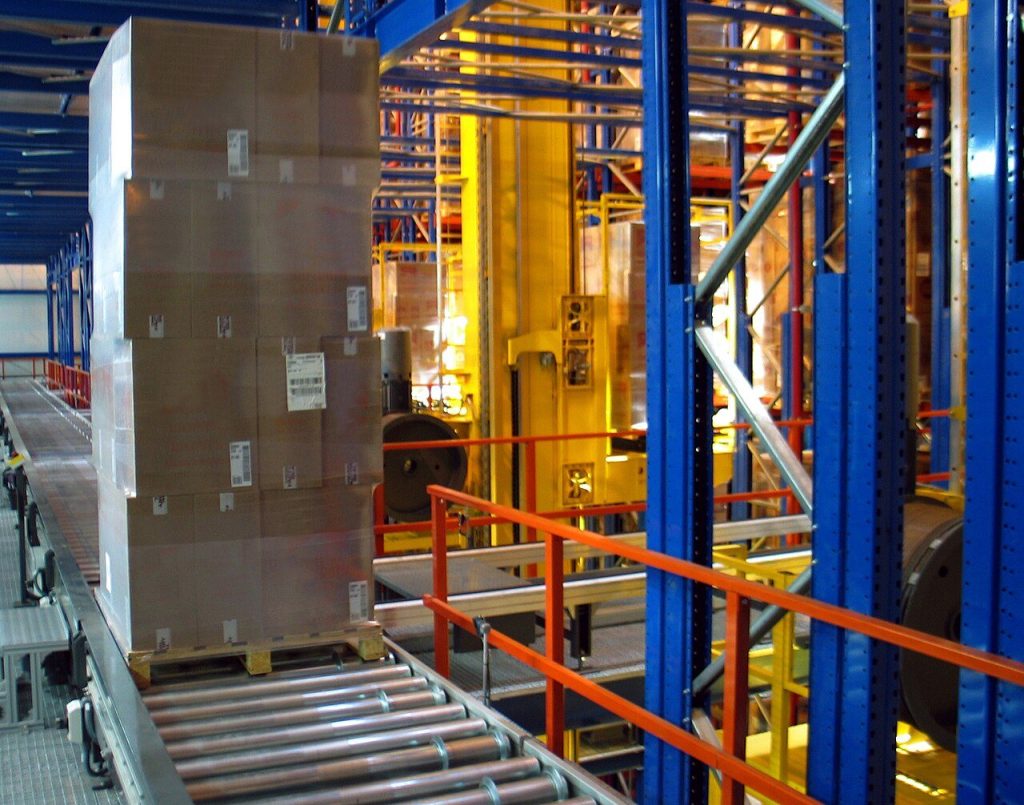
From a factory standpoint, the wear layer film can limit throughput because it touches multiple steps at once. If film rolls vary in thickness, tension, or surface energy, lamination settings drift. Then yields drop, press time increases, and the line slows down. In other words, one “small” input can turn into a week of headaches for flooring manufacturing factories.
From a market standpoint, wear layer specs keep creeping upward. At annual flooring shows, buyers see thicker wear layers, more realistic embossing, and lower-gloss “soft look” finishes. Those newest flooring trends and products raise the bar, but they also increase dependence on consistent film supply. If a supplier can’t hold tight tolerances, a premium SKU becomes a risky SKU.
A wear layer promise is easy to print on a carton, but hard to protect when film inputs change mid-year.
This matters even more as other hard-surface categories project steadier 2026 demand. Trade commentary going into 2026 has pointed toward gradual improvement across several segments, which usually means more style refreshes, more private-label programs, and more pressure on resilient lead times.
The 2026 wear layer film supply risks: resin, chlorine, and “managed scarcity”
Most 2026 wear layer film risk starts upstream. Wear layer films rely on PVC-based inputs, and PVC economics are still jumpy. Recent real-time market coverage points to continued price volatility, low inventories, and tighter capacity decisions that keep supply tight even when demand softens.
Chlorine availability adds another layer of uncertainty because it plays a major role in PVC production. When chlorine supply tightens after outages or maintenance events, film costs and lead times can move quickly, especially for buyers tied to certain regions or suppliers.
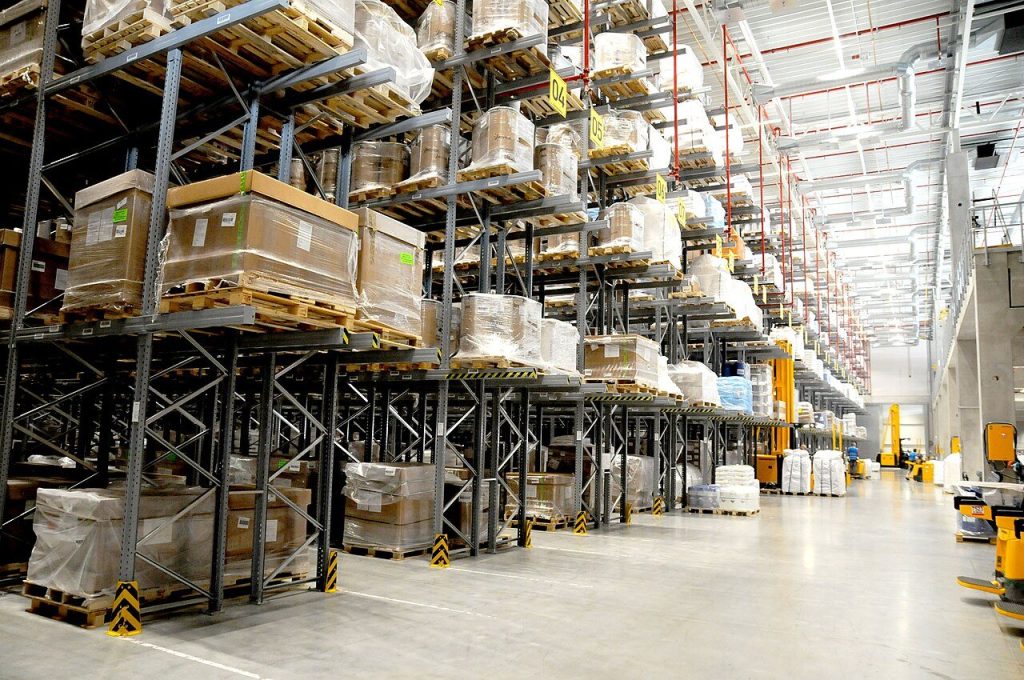
One more practical problem shows up in purchasing meetings: the return of “managed scarcity.” Some upstream producers have reduced capacity or run rates to balance the market. That can protect their pricing, but it forces flooring producers to plan earlier and hold more inventory.
Here’s a simple way to frame the risk for 2026 planning:
| Wear layer film risk in 2026 | What you see on the floor | What it does to your business |
|---|---|---|
| PVC price volatility | Frequent price revisions | Margin squeeze, quote expiration problems |
| Tight upstream supply (resin, chlorine) | Longer film lead times | Missed production windows, late shipments |
| Supplier reformulations | Shifting clarity, gloss, or scratch results | QC failures, spec drift, higher returns |
| Logistics disruption | Late rolls, partial deliveries | Line downtime, costly rescheduling |
For broader context on how LVT is evolving as a category, the industry view in the FloorDaily LVT report helps explain why performance expectations keep rising even when pricing gets tighter.
How film risk shows up in real claims, specs, and showroom conversations
Wear layer film issues rarely announce themselves as “film issues.” They show up as scratch complaints, uneven sheen, premature wear patterns, or confusing warranty conversations. Retailers then hear, “I thought this was commercial-grade,” while the installer hears, “It was fine until we moved furniture.”
In 2026, the buyer is also better informed. Flooring news and flooring industry news circulate fast, especially around product safety, material inputs, and testing. That has increased scrutiny of what’s inside the layers, not just what the plank looks like. Even when there’s no single headline about wear layer film shortages, customers still ask questions that force clearer documentation from the supply chain.
Film variability can also collide with installation realities. If a product line gets tweaked to manage film cost (or to stretch film availability), you can end up with a surface that behaves differently under the same jobsite conditions. That’s one reason it’s smart to connect performance discussions to installation discipline and paperwork. For a practical refresher that helps retailers and claims teams speak the same language, see LVP install mistakes voiding warranties.
Meanwhile, moisture and subfloor conditions still decide whether a floor performs as promised. Even a great wear layer won’t save a job installed over a wet slab. If you need a field-friendly reference to reduce “product defect” calls that are really site issues, share subfloor moisture testing before LVP.
What to do now: sourcing and planning moves that reduce wear layer film exposure
The goal isn’t to panic-buy film. It’s to remove surprises. A few planning habits help, especially for teams juggling the newest flooring products, private-label programs, and rapid style turns.
Start by tightening your spec control. Lock down wear layer film requirements in writing, including acceptable gloss range, haze limits, thickness tolerances, and change-notification rules. Then audit the reality: request lot-to-lot QC data, not just a single sample result.
Next, treat trade shows as an early-warning system, not only a product hunt. When you walk the show floor, ask how suppliers are protecting wear layer consistency while offering new finishes. The overview in TISE 2026 show coverage is a useful snapshot of what brands highlighted this year, which helps you pressure-test whether a “new finish” is a stable, scalable finish.
For global sourcing, keep an eye on show and market signals outside the US too. When European shows broaden their scope, it often changes where suppliers focus capacity and R&D. The update on Domotex 2026 expanding scope hints at how materials, surfaces, and adjacent categories are converging, which can influence supplier priorities.
Finally, don’t confuse weaker import volume with lower risk. Even when demand cools, upstream producers can still keep supply tight. The trade update on flooring imports falling again is a reminder that demand signals and supply signals don’t always move together.

Conclusion
In 2026, LVP wear layer film risk is less about one dramatic shortage and more about volatility, variability, and timing. Resin and chlorine constraints can change cost fast, and film consistency can change claims even faster. Teams that control specs tightly, document changes, and plan inventory earlier will protect launches, protect margins, and keep the focus on the newest flooring trends and products, not on preventable callbacks.