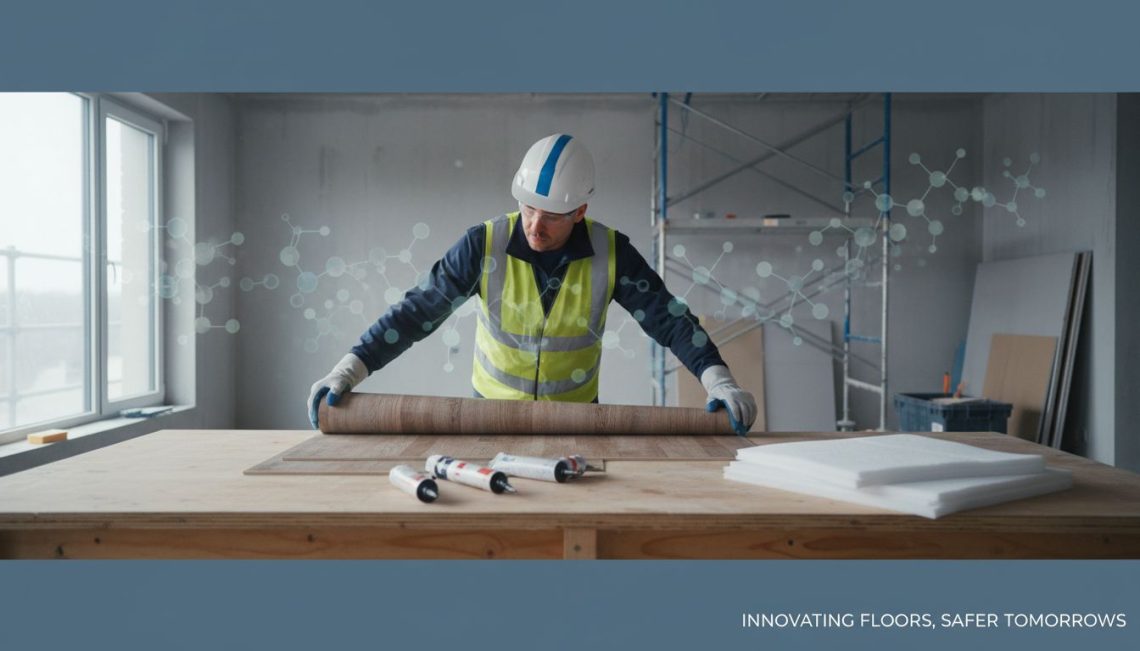
If you install floors in 2026, you’ll hear more questions about PFAS than ever. Some homeowners bring it up because they’ve seen carpet headlines. Builders ask because states keep adding product restrictions. Retail teams ask because customers want “PFAS-free” on the invoice.
PFAS stands for per- and polyfluoroalkyl substances, a large group of thousands of human-made “forever chemicals” that do not easily break down in the environment.
The tricky part is that many rules focus on certain product categories, while jobsite materials like adhesives and underlayments sit in a gray zone. That doesn’t mean you can ignore it. It means you need a better way to verify products, document choices, and answer questions without guessing.
2026 PFAS rules that touch flooring, in plain language
PFAS rules in the US keep moving at the state level, and 2026 adds more effective dates. Several states rolled out new bans, reporting requirements, or both, starting January 1, 2026, with more changes staged later in the year. A helpful snapshot of how fast state action is growing is in state PFAS product restrictions gaining momentum in 2026. For a second legal roundup focused on newly effective dates, see newly effective state PFAS rules in 2026.
For flooring, carpet and textile treatments are the most clearly targeted categories right now. Some states restrict PFAS in stain-resistant or water-resistant treatments, and Connecticut has a 2026 milestone tied to carpet labeling for intentionally added PFAS (with later phaseouts planned). Even if you do mostly hard surface, carpet specs still matter in mixed projects and property turns.
What about adhesives and underlayments? In many places, rules do not call them out by name. Still, contractors feel the impact because:
- Sales restrictions travel down the chain. If a retailer cannot sell a covered product in a state, they also tighten requirements on accessories that “go with it.”
- Owners expect cleaner chemistry everywhere. Customers don’t separate a plank from the glue, they see “the floor system.”
- Documentation is becoming the norm. Manufacturers have started treating PFAS as a test-and-verify issue, not a marketing debate. One example from late 2025: a major flooring manufacturer said common PFAS tests were not sensitive enough for certain manufacturing inputs, so it built its own methodology to detect PFAS in materials used in production.
The practical takeaway: in 2026, PFAS questions are less about arguing chemistry, and more about showing you used approved products and verified what you could.
PFAS flooring adhesives and underlayments: how to vet products and protect the job
Adhesives and underlayments can raise PFAS concerns in two ways. First, PFAS might be intentionally added for performance in some formulations (depending on chemistry and manufacturer choices). Second, trace contamination can happen through raw materials and processing. You usually cannot spot either on a bucket label.
That’s why “trust the rep” is not enough anymore. Contractors need a repeatable method for checking PFAS flooring adhesives and related accessories, especially when working across multiple states.

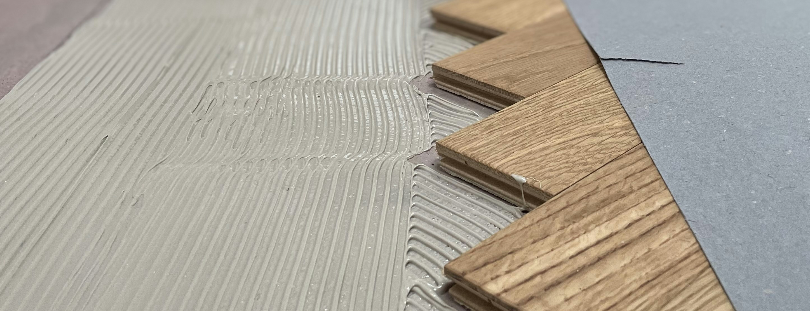
Photo by Vladimir Srajber
A simple, realistic approach is to request the right documents, then file them with your job photos. This quick table shows what’s worth asking for and why:
| What to ask the supplier for | What it tells you | Why it matters in 2026 |
|---|---|---|
| Current SDS plus technical data sheet | Ingredients are not fully listed, but hazards and VOC info are clearer | Helps answer indoor air and “chemical content” questions |
| Written statement on intentionally added PFAS | Whether PFAS are added on purpose | Supports bids in states with stricter rules or picky owners |
| Warranty-approved system list | Which adhesive or underlayment is allowed for that floor | Cuts claim risk when a job fails for unrelated reasons |
| Lot numbers and purchase records | Traceability | Protects you if restrictions change mid-year |
If you install LVP, don’t forget the basics that trigger most failures: moisture, flatness, and compatibility. Underlayment questions often show up in kitchens, baths, and slab work, where you’re already balancing vapor strategy and sound control. These two internal guides can help standardize your process: moisture-friendly underlayment choices for LVP kitchens and subfloor moisture testing before LVP install.
For companies that need a broader compliance view across vendors, platforms and compliance consultants have been tracking global and US changes closely. One example is how to remain compliant with PFAS regulations in 2026, which highlights why supply chain documentation is becoming a daily task.
The bigger point for installers and retailers is this: flooring manufacturing factories are tightening input control and testing. When factories tighten up, they also expect cleaner jobsite documentation. That trend is showing up alongside the newest flooring products, longer warranties, and more system-based installation requirements.
Handling customer questions in 2026, from the jobsite to annual flooring shows
Customers usually ask PFAS questions in plain terms:
- “Is this floor safe for kids and pets?”
- “Does the glue have forever chemicals?”
- “Is the pad treated with stain protection?”
- “Can you prove it’s PFAS-free?”
A good answer stays factual and avoids promises you cannot verify. Try a three-part script that works for contractors, stores, and flooring companies:
- Define what you control. You choose the adhesive, underlayment, patch, and cleaner. You also follow the manufacturer system list.
- Explain what you can verify. You can provide SDS sheets, product data, and supplier statements on intentionally added PFAS.
- Set a clear limit. You’re not a lab, but you can document the exact products installed and the manufacturer guidance used.
This is where staying current with flooring news helps. When customers ask about “newest flooring trends and products,” they often mix design talk with material concerns. Your team can bridge that gap by tracking what manufacturers and retailers are highlighting at annual flooring shows.
For example, show coverage in flooring industry news has spotlighted 2026 rollouts and product direction, which shapes what ends up in showrooms and bid packages. See Shaw Floors’ 2026 product lineup at SWFM and Surfaces ’26 wood introductions. Even when those stories focus on visuals, the backstory often includes manufacturing changes, documentation upgrades, and shifting customer expectations.
Meanwhile, flooring trends in 2026 still push waterproof marketing, bigger formats, and faster installs. That demand increases accessory scrutiny because adhesives and pads become part of the “system story.” It also means the newest flooring products get compared side by side, not just by color, but by what they’re made of and what paperwork comes with them.
Conclusion
PFAS questions are not going away in 2026, even when your state has not named adhesives directly. Treat PFAS flooring adhesives and underlayments like any other risk item: verify what you can, document what you used, and stick to approved system components. When you can answer customer questions clearly, you sell the floor you installed, not a promise you can’t prove.