A low-odor floor isn’t the same as a low-emitting floor. In 2026, that gap still causes costly mistakes, especially when specs call for FloorScore VOC compliance and the job is already moving.
This guide is a field-first checklist for LVT teams, from product managers and QC leads to distributor reps and retail sales pros. You’ll learn what to confirm, what paperwork matters, and where VOC risk actually shows up, on a pallet, in a warehouse, and at install.
If compliance is a passport, your goal is simple: make sure the product, the factory, and the full system are the same “person” on every page.
What FloorScore VOC compliance really covers (and what it doesn’t)
FloorScore is a third-party indoor air quality certification used widely for resilient flooring. It’s built around California Section 01350 emissions criteria and is commonly accepted by green building programs. The key point for the field is scope: FloorScore VOC compliance is not a vibe check, it’s a documented, product-specific certification.
Here’s what experienced teams keep straight:
- It’s emissions-focused, not ingredient marketing. A product can be “eco” and still fail an emissions threshold.
- It applies to specific SKUs and constructions. LVT isn’t one material, it’s a layered system. Wear layer, print film, core, backing, and coatings can change emissions.
- It can include more than flooring. Some programs cover underlayments and even adhesives, but you must confirm what’s listed on the certificate for your exact system.
For a plain-language explanation of how FloorScore fits indoor air quality goals for LVT and LVP, Metroflor’s overview is a useful reference: indoor air quality with FloorScore.
Also, don’t ignore the shift happening across the category. Many buyers now expect multiple checkpoints beyond VOCs, including performance and supply-chain controls. That demand shows up in flooring industry news and in what retailers ask for at the counter, especially for schools, healthcare, and multi-family.
FloorScore is only as strong as your match-up between the certificate, the box label, and the installed system (including adhesive and underlayment).
The 2026 LVT field checklist (from receiving to install day)
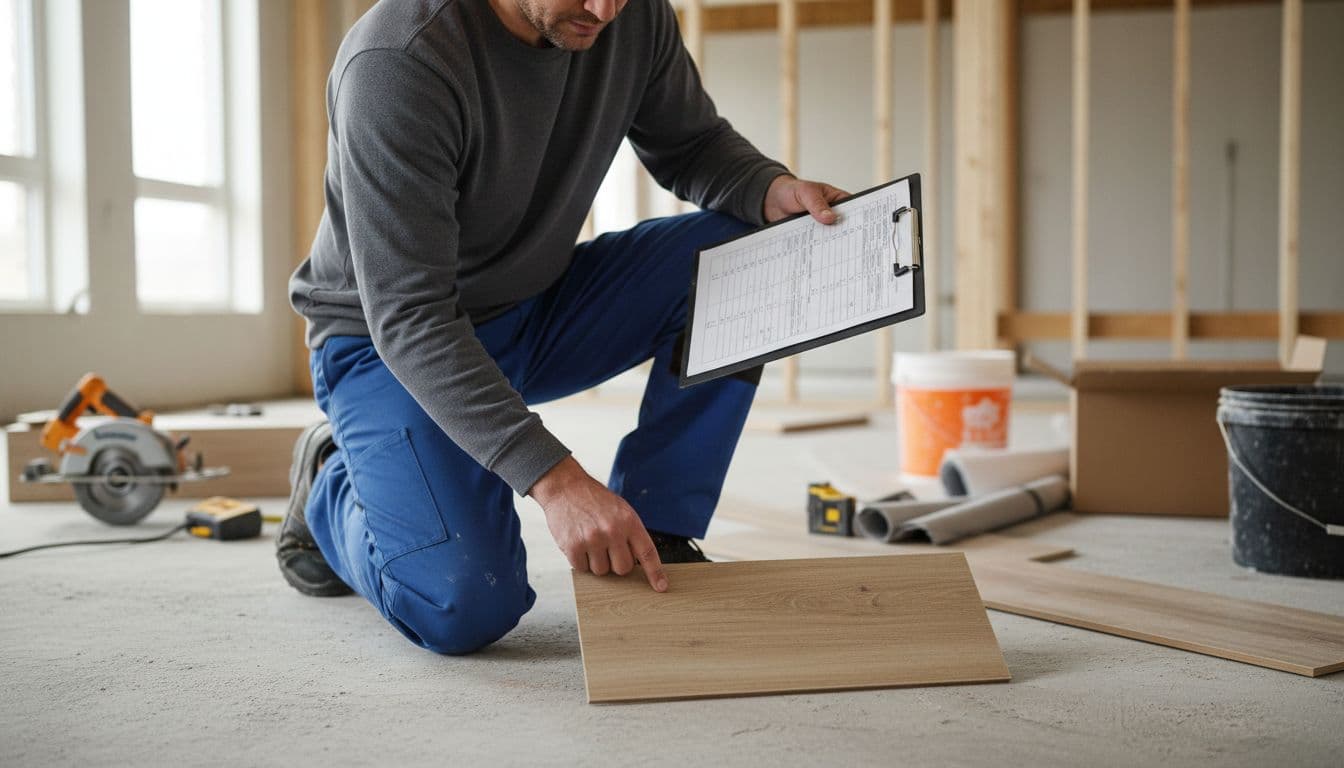
Field checks work best when they’re fast, repeatable, and tied to real failure points. Use this as a practical sequence, whether you’re auditing an inbound shipment or supporting a commercial submittal.
Step 1: Confirm certification documentation before you touch the pallet
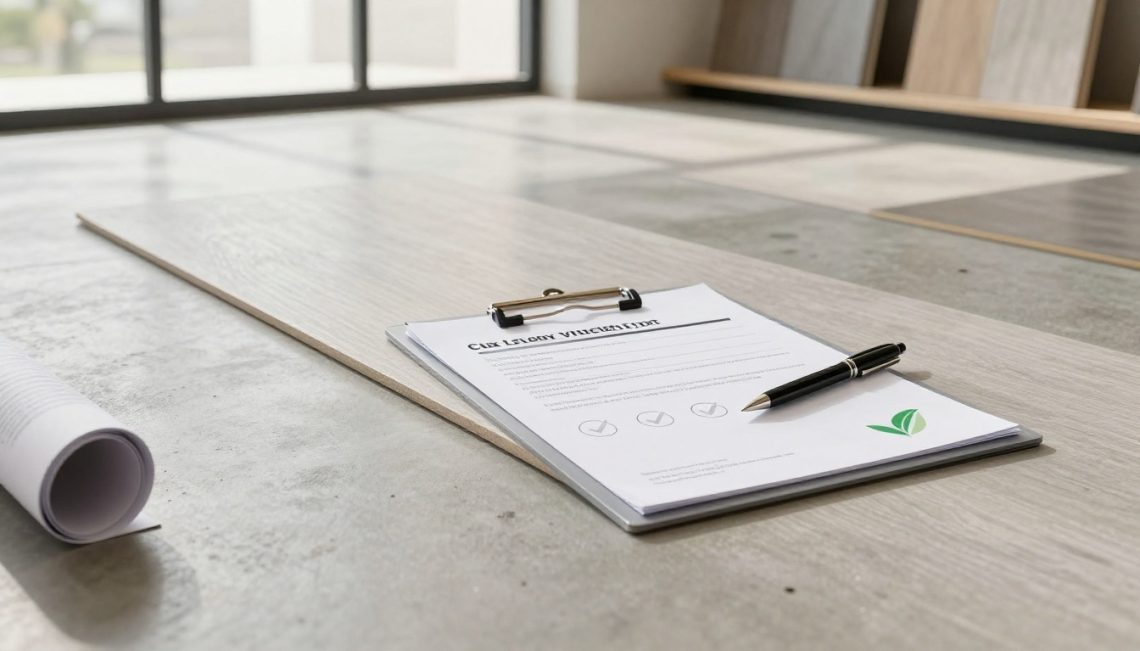
Ask for a current FloorScore certificate (PDF) and verify it matches the product being shipped or specified. In the real world, the most common error is “certified brand, wrong SKU.”
Use this quick table to keep the review consistent across teams.
| What to verify | Where to find it | What “good” looks like | Why it matters |
|---|---|---|---|
| Certificate holder | FloorScore certificate | Matches manufacturer or private-label owner | Avoids borrowed certs |
| Product identification | Certificate scope | Lists the exact collection or SKU family | Stops near-match swaps |
| Construction type | Certificate scope | Click, loose lay, or dryback matches | Different builds can emit differently |
| Valid dates | Certificate | Active in 2026, not expired | Expired cert can break specs |
| System components | Submittal package | Adhesive and underlayment also addressed | Gaps create VOC exposure risk |
A real example of how companies present validity windows and renewal periods can be seen in announcements like FloorScore certification renewal details. Treat those dates as non-negotiable on submittals.
Step 2: Match the box label to the paperwork
Once the product arrives, match what’s physical to what’s promised:
- Brand and collection name: should match the certificate scope naming.
- Item number and color name: color changes sometimes trigger a new SKU, so don’t assume.
- Lot or run identification: record it for traceability. This matters if a complaint comes later.
- Country of origin and factory code (if shown): note it. Multi-factory sourcing can complicate continuity.
This is also where retail teams protect themselves. If a customer asks for the newest flooring trends and products with “healthy home” positioning, you need a defensible paper trail, not a sales story.
Step 3: Don’t forget the “other VOC source”: adhesives and jobsite chemicals
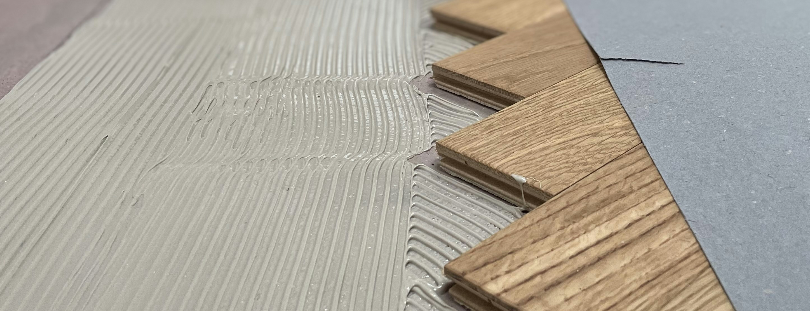
Many VOC problems blamed on LVT come from what’s under it or used around it. That’s why your checklist should require a full system review:
- Adhesive VOC documentation: confirm the adhesive used meets the project requirement, not just the flooring.
- Primer, patch, and moisture mitigation: these products can dominate the odor profile for days.
- Cleaning chemicals at turnover: strong cleaners right before handoff can trigger complaints that look like emissions issues.
If you need a simple refresher on how certifications stack together in flooring health conversations, this overview of common certification checks is a helpful baseline: five key flooring health certifications.
Step 4: Control storage and acclimation, because perception becomes a claim
Even certified products can smell “hot” if stored poorly. Heat and poor ventilation don’t usually change certified emissions status, but they can create a jobsite complaint that turns into a return.
Set basic controls:
- Store cartons flat in a conditioned space.
- Keep pallets out of direct sun and away from heaters.
- Ventilate the area during and after install.
- Follow adhesive open times and trowel specs exactly.
Short version: treat storage like milk, not canned goods.
What to ask of flooring manufacturing factories and suppliers in 2026

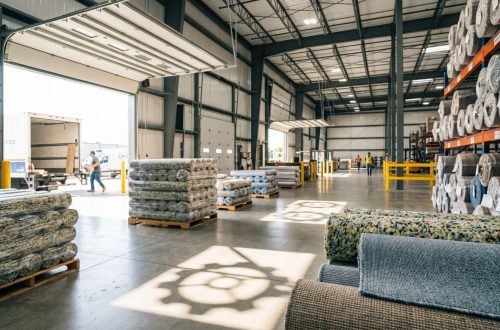
For manufacturers and sourcing teams, VOC compliance lives upstream. FloorScore requires third-party emissions testing and ongoing oversight, and that’s why flooring manufacturing factories need consistent raw material control, not just end-of-line testing.
In 2026, many buyers also expect broader verification beyond VOCs, especially for rigid core and resilient categories. Programs in the market have expanded testing to include added performance checks (for example, edge-fracture resistance tests have gained attention for rigid core). That matters because product failures can trigger replacements, and replacements double your exposure to complaints and indoor air quality scrutiny.
Supplier conversations should include:
- Material change control: What happens if a plasticizer, ink, or coating supplier changes?
- Factory audit cadence: Who audits, how often, and what corrective actions look like.
- Private-label consistency: If you white-label, confirm the certified product is the one you receive.
- Contaminant awareness: The industry is paying more attention to detection methods for chemicals of concern. Even when the focus is VOCs, buyers ask broader questions.
If you want a quick look at how LVT is built and how factories describe structure and production methods, this manufacturer overview is useful context: LVT layer structure and production.
Flooring trends, annual flooring shows, and why compliance questions keep rising
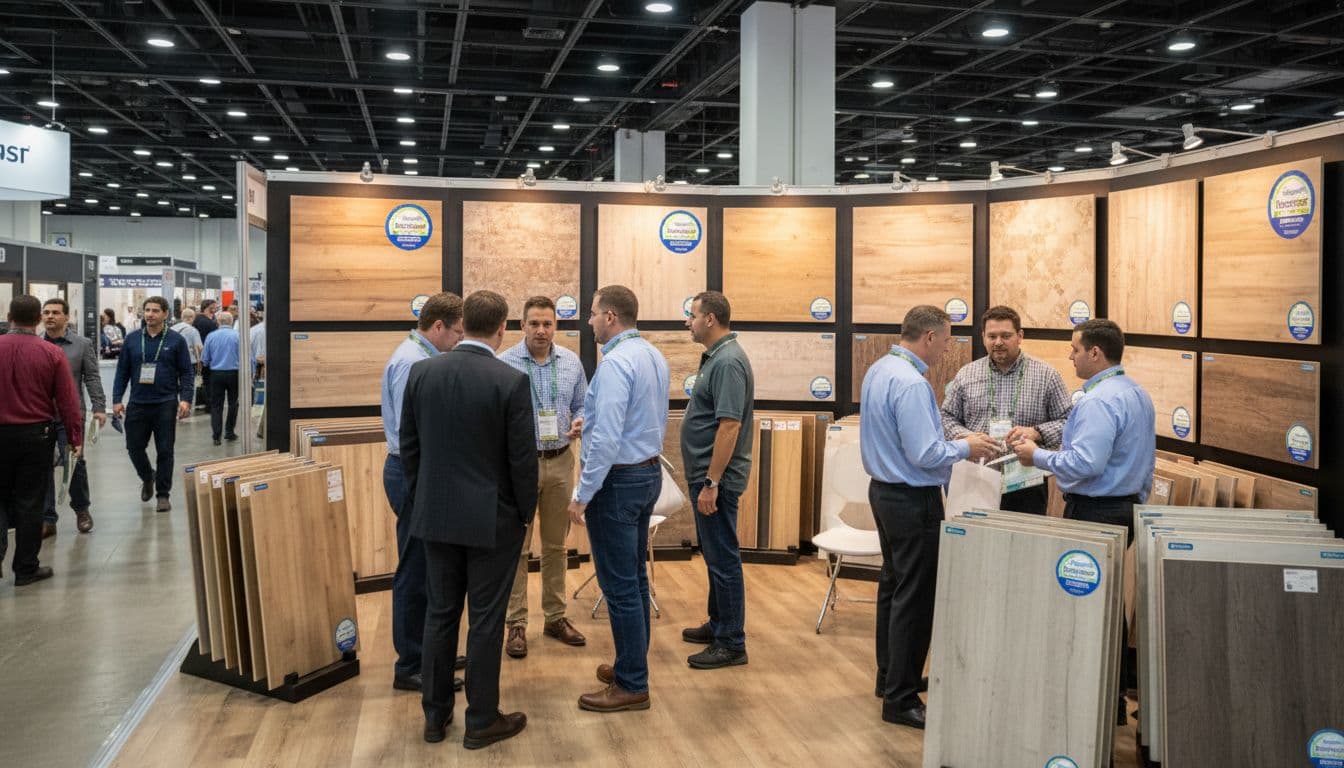
If you work the booths, you’ve seen it. Certifications are now part of the core pitch for the newest flooring products, not an afterthought. At annual flooring shows like TISE (Surfaces) and global events like Domotex, conversations about performance are tied to health and transparency more than ever.
This isn’t just marketing pressure. It’s also a response to tighter project requirements, more multi-family turnover, and more customer awareness. As a result, flooring news cycles often highlight testing methods, training, and standard updates, even when the products look the same on the rack.
For retailers, this trend changes the sales process. Shoppers still want visuals and durability, but they also ask, “Is it safe for indoor air?” For manufacturers, it raises the bar on documentation readiness. For everyone in between, it means your submittal package needs to be clean and complete.
A practical resource you can point specifiers to when explaining the value of certified resilient flooring is Metroflor’s second FloorScore explainer: healthy indoor air quality guidance.
Conclusion: Make FloorScore VOC compliance verifiable, not debatable
When a project requires FloorScore VOC compliance, your best protection is a simple habit: match the certificate, the box, and the full install system every time. Keep records, capture lot numbers, and confirm adhesives and underlayments early.
The good news is that the market is moving your way. Flooring trends now reward teams that can prove what they sell and install. If you treat compliance like a repeatable field process, you’ll spend less time arguing, and more time shipping the right floor.
Keep reading
More in Trends: 2026 Wood Veneer Supply Watch for Engineered Hardwood Faces, Click-Lock LVP in Bathrooms: Sealing Tub Edges, Toilet Splash Zones, and Stopping Water Under the Floor, 2026 Antimicrobial Additive Claims In Flooring: A Verification Guide For Professionals.