If you make, specify, or sell hardwood finishes, 2026 already feels like a year where small disruptions can create big headaches. A late resin delivery, a missing additive, or a packaging delay can stall production like a jobsite waiting on one last box of nails.
The good news is demand signals for wood look steadier heading into 2026, even with ongoing rate pressure. The challenge is that water-based urethane supply depends on a chain of chemical inputs that rarely fail all at once, but often fail one at a time.
This outlook focuses on what’s likely to influence availability, lead times, and buying decisions for water-based urethanes used in hardwood finishing, with practical steps for manufacturers and retailers.
Why 2026 demand favors water-based urethanes in hardwood finishing
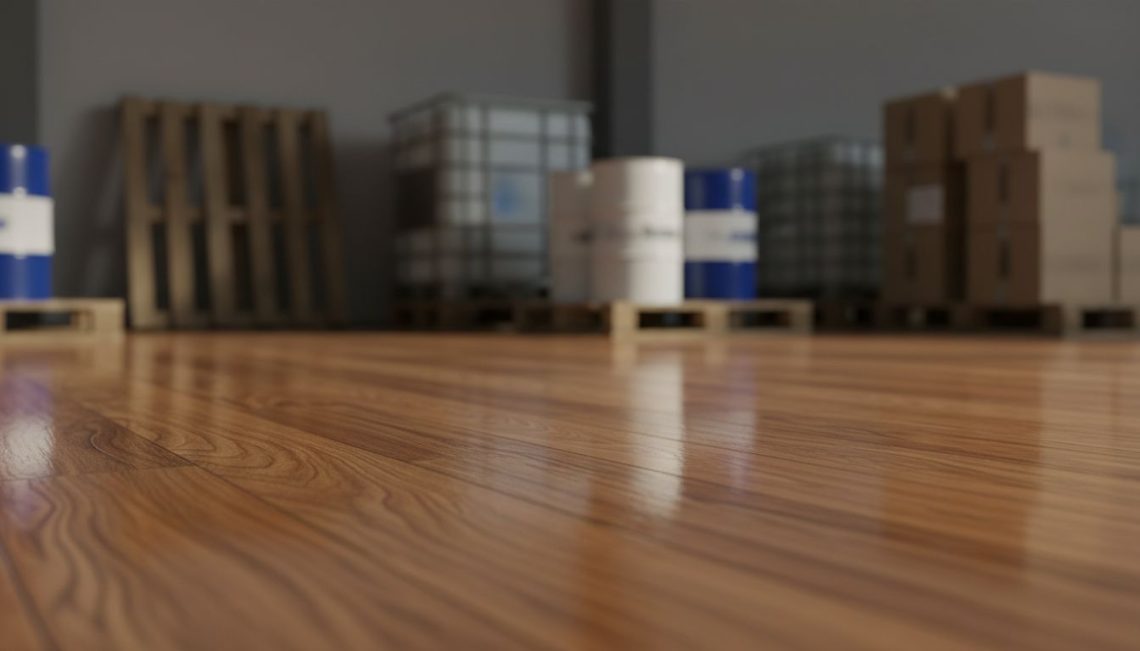
 Photo by Curtis Adams
Water-based urethanes keep gaining share because they fit how customers live now. They want faster return-to-service, lower odor, and a look that stays clear instead of ambering over time. On the contractor side, predictable dry times and simpler cleanup matter, especially when schedules get tight.
Industry sentiment coming out of late 2025 reporting also leaned more optimistic for wood in 2026 than it did a year earlier. The mood is not “back to boom,” but it is “back to planning.” That matters because finish ordering tends to follow confidence. When dealers and contractors believe projects will move, they stock more than the minimum.
Design expectations add another tailwind. Matte and natural looks still lead many flooring trends, and waterborne chemistry supports that “barely-there” aesthetic without heavy color shift. For a consumer-friendly snapshot of where finishing is headed, see this overview of waterborne systems as a 2026 finishing trend.
At the same time, the broader category mix keeps pressure on hardwood to defend its value. Buyers see constant marketing for the newest flooring trends and products, including high-style LVP visuals. As a result, many wood programs are leaning harder on finish performance and easier maintenance as a selling point, not an afterthought.
2026 water-based urethane supply: what can tighten, and why it matters
“Supply” for waterborne urethanes is rarely a single ingredient issue. It’s a recipe. If you can’t get the crosslinker, a defoamer, or the right coalescent, you might have resin in the tank but no shippable product.
In 2026, three forces are likely to shape water-based urethane supply more than raw demand.
First, specialty chemical availability remains the swing factor. Waterborne systems often rely on polyurethane dispersions, acrylic-urethane hybrids, waxes, matting agents, and specific surfactant packages. Many of those inputs come from concentrated supplier bases. When one plant goes down, lead times ripple.
Second, compliance and material scrutiny are rising across flooring. More companies are testing for substances of concern and asking tougher questions of upstream suppliers. Even when a finish is not the target, upstream changes can trigger reformulations, documentation updates, or new testing cycles. That slows product approvals and can temporarily narrow what’s “available and approved” versus what’s “available.”
Third, flooring manufacturing factories are managing production reality. Labor, batch changeover time, and tank capacity matter. If a plant must prioritize high-volume SKUs, niche sheens or slower-moving hardener kits can slip.
One way to keep the outlook grounded is to watch coatings market signals, not just flooring sales. Research firms tracking wood coatings expect continued growth, which suggests more investment, but also more competition for inputs. For context, see the global wood coating market overview and trends and a U.S. view in this industrial wood coatings market forecast (2026 to 2031).
Here’s a quick reference for what tends to break first, and how teams reduce risk.
| Potential pinch point | What you see in the field | Why it happens | Practical mitigation |
|---|---|---|---|
| Crosslinkers and hardeners | Backorders on 2K systems | Specialty supply, hazmat handling | Qualify alternates early, keep approved list current |
| Matting agents and waxes | Sheen drift, gloss variation | Supplier changes, batch variability | Tighten incoming QC, lock sheen targets per SKU |
| Packaging (pails, liners, labels) | Finished goods ready but not shippable | Competing demand, printing delays | Dual-source, build label safety stock |
| Additives (defoamers, wetting agents) | Foam issues, flow problems | Small-volume but critical materials | Keep minimums on hand, avoid one-supplier dependency |
| Freight and regional distribution | Longer lead times to dealers | Carrier volatility, lane constraints | Pre-position inventory near key markets |
The takeaway is simple: the 2026 risk is less about “no product,” and more about “not the exact system you spec’d, when you need it.”
If your warranty language depends on one finish SKU, your supply plan should too.
Planning moves for 2026: specs, inventory, and show-floor intelligence
Most teams don’t want more SKUs. They want fewer surprises. The planning mindset for 2026 should treat waterborne finishes like a critical component, not a commodity.
Start by tightening specs around what matters. Instead of writing “water-based urethane,” define the performance need: abrasion expectations, chemical resistance, cure window, and approved maintenance chemicals. That gives you room to substitute within a controlled lane when supply shifts.
Next, align forecasting with how buying is changing. Early 2026 flooring industry news has leaned toward gradual recovery rather than a sudden spike, with retailers emphasizing profitable execution and fewer claims. That points to steadier replenishment orders, plus strategic buys when lead times shorten. When you hear “inventory dropped late last year,” don’t assume that means plenty. It can also mean channels are lean and sensitive to any delay.
These actions tend to help across manufacturing and retail:
- Approve a backup system per sheen tier: Keep one alternate for matte and one for satin, rather than a dozen “maybe” options.
- Standardize field test panels: When substitutions happen, test appearance under consistent light and species.
- Train sales teams on finish talk tracks: Customers ask about odor, cure time, and scratch resistance, not resin families.
- Set reorder triggers by weeks of supply: Units on hand mean little without a time-based target.
Also, keep your ear on the market. Annual flooring shows still matter because you can compare what’s real versus what’s marketing. Events like TISE and wood association programming put suppliers, distributors, and contractors in the same room. That’s where you learn which newest flooring products are actually shipping, which ones are still in sampling, and what’s changing inside the supply chain.
Meanwhile, don’t ignore general flooring news that seems unrelated to finishes. A surge in remodeling, changes in installation labor, or fast growth in competitive categories can change how much attention hardwood receives on the sales floor. For broader category context, this hardwood flooring market report overview can help frame demand discussions, even if you rely on your own internal numbers.
In 2026, finish supply planning works best when it’s connected to the full story: product launches, claims data, contractor capacity, and the newest flooring trends and products customers ask for every week.
Conclusion
2026 looks promising for hardwood, but only if finish availability stays predictable. A smart water-based urethane supply plan assumes occasional disruptions and builds flexibility into specs, testing, and inventory triggers. Track what suppliers are doing, listen closely at annual events, and keep communication tight between plants, dealers, and contractors. The teams that win this year won’t guess better, they’ll prepare better.