When adhesive lead times stretch, the whole job schedule starts to wobble. A flooring adhesive shortage doesn’t just slow production, it can force last-minute product swaps, trigger installation claims, and strain dealer relationships.
As of February 2026, there aren’t confirmed, industry-wide reports of pressure-sensitive acrylic (PSA) shortages in mainstream flooring industry news. Still, demand is improving in early 2026, and that’s when small supply hiccups can turn into allocation.

This watchlist focuses on pressure-sensitive acrylics because they sit at a busy intersection: resilient growth, labor constraints, and rising chemical scrutiny across the supply chain.
Why pressure-sensitive acrylics matter more than most teams admit
Pressure-sensitive acrylics are the “quiet helpers” behind many installs. When they’re available and consistent, nobody talks about them. When they’re not, everyone does.
PSA systems show up most often in:
- Carpet tile and some modular carpet installs, where releasable tack supports replacement and serviceability.
- Glue-down resilient applications that call for a “dry-to-tacky” installation window.
- Certain underlayments or specialty assemblies, depending on the brand spec.
They’re popular for a reason. Acrylic PSAs can offer long open times, steady tack, and bond performance that holds up under rolling loads when installed to spec. In addition, many formulations align with low-odor and low-VOC expectations that buyers now ask about on every commercial submittal.
What changed going into 2026 is the product mix surrounding the adhesive. The newest flooring trends and products keep pulling the market toward resilient, larger formats, and tighter visual realism. Even when click systems take share, glue-down remains a workhorse for commercial, multifamily turns, and areas where height and flatness drive decisions.
That means adhesive planning is now tied to sales planning. When a dealer shifts toward more glue-down LVT for faster turns, or a manufacturer pushes a commercial refresh, PSA volumes can jump quickly. The same thing happens when flooring trends favor busy textures and matte visuals that hide wear, but also push more remodel activity in offices and retail.
The takeaway is simple: PSA isn’t just a bucket on the purchase order. It’s part of your risk profile.
2026 risk signals that can tighten PSA acrylic supply (even without headlines)
No single cause creates a shortage. Most real disruptions look like a traffic jam, not a roadblock.
Here are the pressure points to watch in 2026.
First, raw material sensitivity. Acrylic PSAs rely on upstream chemical inputs (acrylic monomers, dispersions, additives). If any one feedstock tightens, suppliers may protect higher-margin accounts or reduce SKU variety. You might not hear “shortage,” you’ll hear “extended lead time” or “minimum order” instead.
Second, packaging and logistics constraints. Pails, liners, labels, and even pallets can become the limiting factor. If freight lanes snarl or packaging vendors miss deliveries, adhesive can be “made” but not shipped.
Third, demand spikes tied to improving sentiment. Early 2026 indicators point to better momentum after a difficult stretch, which can lift both home improvement work and light commercial activity. That matters because many buyers run lean inventories, so a modest demand bump can create short-term scarcity.
Fourth, chemical compliance and customer expectations. Manufacturers across the category are paying closer attention to what’s in upstream inputs, not just finished goods claims. In late 2025, one major flooring producer even developed its own PFAS detection approach after finding that typical testing methods were not a good fit for many non-water manufacturing inputs. The important part for PSA buyers is the direction of travel: tighter screening can change approved ingredient lists, which can shift sourcing and lead times.
If you don’t see a shortage story, don’t relax. Watch for the quieter signs: fewer approved substitutes, longer quote holds, and tighter shipping windows.
A practical shortage watchlist for plants, distributors, and retail ops
A watchlist works best when it’s tied to actions. The goal is to protect production schedules and installation outcomes, not to stockpile product and hope.
Use this table as a quick internal checkpoint during S&OP, purchasing, and branch calls.
| Watchlist signal | What it can mean | What to do next |
|---|---|---|
| Lead times extend by 1 to 3 weeks | Supply tightening or allocation starting | Confirm next two POs, ask what SKUs are protected |
| Fewer available package sizes | Packaging bottleneck or SKU rationalization | Pre-approve alternate pails or pack-outs |
| “Equivalent” substitutes offered without data | Supplier trying to cover gaps | Require bond, plasticizer-migration, and RH compatibility notes |
| Price holds shorten | Cost volatility upstream | Lock quotes to project schedules where possible |
| More jobsite failures after adhesive change | Chemistry mismatch or install-window confusion | Pause substitutions, retrain crews, document trowel and flash time |
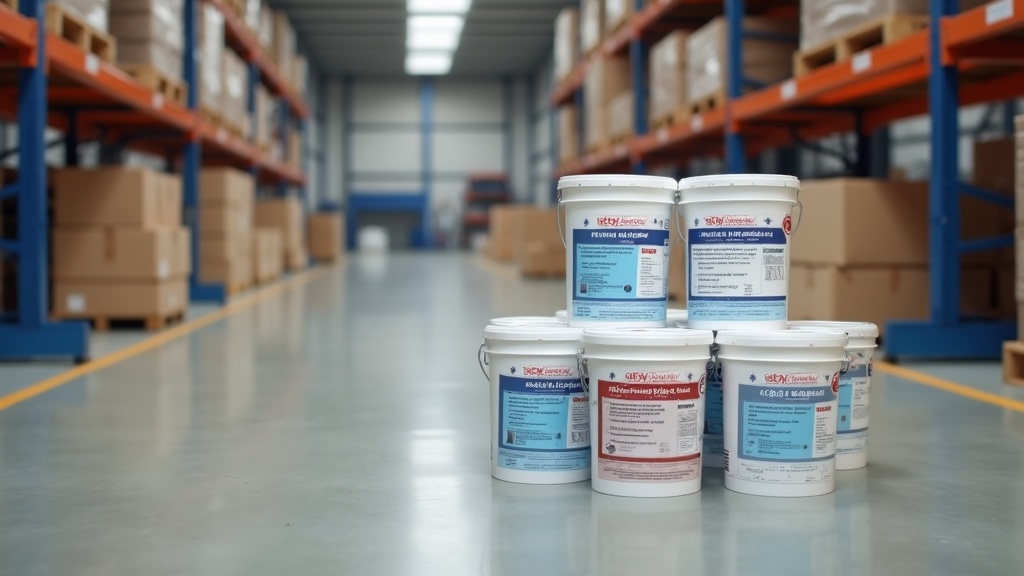
On the operations side, the safest moves usually look boring:
- Qualify two adhesives per installation type (primary plus a tested alternate), then document the limits.
- Standardize field language around “dry-to-tacky,” humidity, and temperature, because PSA performance can swing when site conditions drift.
- Keep a short list of “do not swap without approval” applications, such as high-heat areas, heavy rolling loads, or known plasticizer-sensitive assemblies.
One more caution helps prevent expensive callbacks. PSA swaps often fail because the team treats them like paint colors. They’re not. Small formulation differences can change plasticizer interaction, indentation recovery, and bond development time.
Use annual flooring shows and current reporting as an early-warning system
Shortages rarely announce themselves politely. They show up as late shipments, inconsistent availability, and confusing substitute suggestions. That’s why your information sources matter.
Start with flooring industry news and show coverage that tracks what manufacturers are launching and what dealers are ordering. Early 2026 reporting from Surfaces shows how brands are still pushing product intros aggressively, which can indirectly pull demand through adhesives and accessories as new lines hit shelves. See the Surfaces coverage in Floor Covering News on latest wood introductions at Surfaces ’26.
Next, treat annual flooring shows like in-person supply chain checkups. Shows like Surfaces and IBS set the tone for purchase commitments. Coverings can also signal where commercial spec demand is headed, even when the headline is tile. For example, trend roundups help forecast which segments may accelerate and strain related consumables. A recent update on Coverings 2026 tile trends is useful for spotting where design demand may rise.
Finally, look for “state of the market” summaries that capture what retailers and contractors are feeling in real time. The 2026 State of the Industry Report is the kind of flooring news that can help you sanity-check internal forecasts against what’s happening in the channel.
If you sell or support click systems, keep a parallel plan. Click-lock growth can reduce adhesive demand in some segments, but it also raises expectations for moisture detailing and accessory chemistry. For teams working both sides, this internal guide on Click-lock LVP waterproofing in bathrooms is a good reminder that installation systems still hinge on materials compatibility.
In short, connect three dots: show-floor conversations, what reps are hearing from flooring manufacturing factories, and what your branches see in reorder patterns for newest flooring products and newest flooring products alike.
Conclusion
A 2026 flooring adhesive shortage for pressure-sensitive acrylics isn’t a confirmed headline today, but risk still builds quietly through lead times, compliance shifts, and demand swings. Treat PSA as a controlled material, not a commodity. When you track signals early and qualify alternates the right way, you protect margins, schedules, and installer trust. Which signal are you seeing first: longer lead times, tighter quotes, or fewer SKUs?