
If your 2026 quotes feel like they’re written on sand, you’re not imagining it. Tariffs can change landed cost overnight, and freight swings can erase margin in a week. Customers still want a clean number, though, and they want it fast.
The fix isn’t hiding extra markup inside the material price. It’s building a clear, fair flooring import risk line into your bid, then explaining it in plain language. Done right, it protects profit and keeps trust intact.

Why 2026 pricing feels jumpy (tariffs, freight, and factory realities)
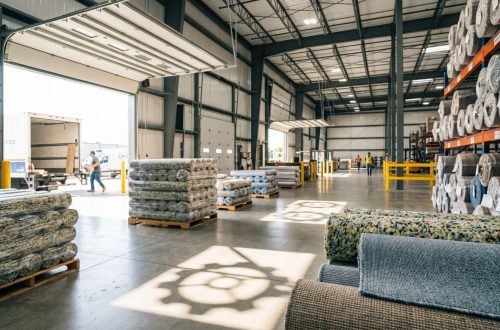
Tariffs and freight don’t hit flooring like they hit lightweight goods. Flooring is bulky, heavy, and often moved in batches. When ocean rates spike or capacity tightens, freight can jump faster than your team can update price sheets. Even when a supplier holds price for a quarter, the next container can land at a different cost.
Tariffs add another layer. In recent trade coverage, builders and materials buyers have been dealing with cost volatility tied to tariff shifts and commodity pressure, which flows into finish materials sooner than most homeowners expect. See the broader construction angle in tariff-driven material cost volatility coverage.
On the flooring side, import mix keeps shifting as brands adjust sourcing to manage exposure. That means your “same product” may arrive from a different country, a different mill, or a different spec run. Even small changes can affect lead times, warranty paperwork, or trim matches.
This is also why staying close to flooring industry news matters more than ever. The conversation has moved from “what color is trending” to “will this show up on time, and will the invoice match the quote?” A recent example is the 2026 State of the Industry Report release, which signals how much attention the channel is giving to costs, operations, and risk.
One more pressure point: flooring manufacturing factories run schedules. If a factory batches a color once per cycle, a missed booking can push delivery out weeks. Customers don’t see that clock, but you live under it.
What an “import risk” line item really is (and when you should use it)
An import risk line isn’t a scare tactic. Think of it like a weather allowance on an outdoor pour. You’re not predicting a storm, you’re pricing the chance of one.
In a flooring bid, the import risk line should cover cost movement between quote date and material receipt when any of these are true:
- The product is imported or has imported inputs (wear layers, resins, underlayment components).
- Freight is quoted separately or changes after booking.
- Lead times extend beyond your normal quote validity window.
- You’re seeing supplier notices tied to tariff updates or shipping surcharges.
The key is scope. This line should not become a sloppy “misc” bucket. Keep it tied to documented variables. If the risk never happens, you can credit it back or use a capped adjustment clause (more on that below). Customers accept fairness when they can see the boundaries.
Here’s a simple way to structure it in your estimating sheet:
- Define the trigger (tariff surcharge, freight re-quote, or vendor price change after quote date).
- Set a cap (a percent or dollar maximum).
- Set proof (supplier invoice, freight quote, or written vendor notice).
- Set a credit rule (unused portion credited at final invoice).
This approach also fits how many dealers shop at annual flooring shows. Those events are where brands roll out the newest flooring trends and products and lock in early programs, but they’re also where reps warn you about upcoming freight and tariff headaches.
To make the concept easy to scan, use a small table like this in your proposal packet.
| Bid situation | What can change | Clean way to write it |
|---|---|---|
| Imported LVP, 6 to 10-week lead | Landed cost, fuel, container rate | “Import Risk Allowance (capped at X%), unused amount credited.” |
| Mixed sourcing (same SKU, different origin) | Case pack, trim match, ETA | “Material origin may shift, price protected through invoice proof, cap applies.” |
| Customer wants install date locked early | Rush freight or re-booking | “Schedule hold includes freight re-quote risk, cap applies.” |
The takeaway: you’re not guessing, you’re setting rules.

How to present “flooring import risk” so customers don’t panic
Most customers don’t fear the concept of risk. They fear vague pricing. So the goal is to explain the line item like an adult, then back it with process.
Start by naming what the customer already understands: prices move when goods cross borders and travel long distances. Then connect it to a benefit: you’re reserving product and labor without gambling your margin.
A helpful script (keep it short) looks like this:
“This job uses imported materials, so we include a small import risk allowance with a firm cap. If costs don’t change, you don’t pay it.”
That sentence does three things fast: it normalizes the reason, sets a ceiling, and promises fairness.
Use three “calmers” in your bid packet
Instead of a long explanation, include three short calms near the allowance:
- Quote validity date: “Material pricing valid for 10 days,” or whatever matches your supplier cycle.
- Cap and proof: “Any change requires supplier documentation, capped at X%.”
- Credit language: “Unused allowance credited at closeout.”
Customers also respond well to options. If you sell a good-better-best package, you can offer a lower import exposure option (domestic or stocked) beside the exact spec they picked for the newest flooring products they saw online. That’s not pressure, it’s choice.
This is where flooring trends connect to operations. Wide planks, longer boards, and premium visuals often come with longer supply chains. Meanwhile, some domestic programs trade a little design variety for steadier replenishment.
Don’t build this from scratch every time
If you already use structured markups and clean scopes, the import risk line drops in neatly. Pair it with a disciplined costing method so it doesn’t turn into a random add-on. If your team needs a refresher on consistent estimating, use the framework in How to price a flooring job in 2025, a simple markup method that still protects profit, then add import risk as a separate, visible protection when conditions call for it.
Finally, keep your sales staff plugged into flooring news and what’s being discussed on show floors. In-person events still matter because you can compare color, texture, and performance with your own eyes, and you can also hear the unfiltered freight and lead-time talk straight from reps. That’s the practical side of flooring industry news that helps you write bids customers can trust.
For wider context on why trade uncertainty keeps returning across categories, this trade overview is a useful read: strategic trade and shifting tariff policy.
Conclusion: Make the risk visible, capped, and fair
Tariffs and freight swings aren’t a one-time headache, they’re part of 2026 quoting. A clear flooring import risk line works because it replaces hidden padding with a rule-based allowance. Cap it, document it, and credit what you don’t use.
If you can explain the line in one calm sentence, customers won’t flinch. They’ll see you as the contractor or supplier who planned for reality, not the one who hopes it stays quiet.