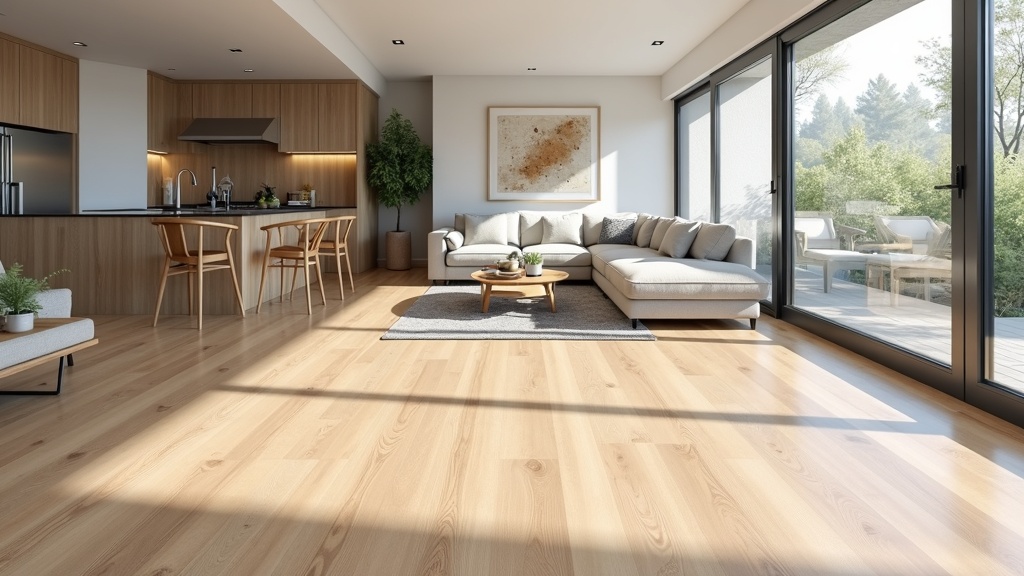
The newest flooring trends for 2026 center on calmer, more natural visuals paired with harder-working performance: softer oak tones and matte finishes across resilient and wood, water-tolerant laminate making a real comeback on price and durability, wider planks and large-format tile replacing busy patterns, and a jobsite culture that treats subfloor prep and moisture control as the actual product being sold. None of this is happening in a vacuum — housing turnover, tighter budgets, labor shortages, and new scrutiny on material transparency are all pushing buyers toward fewer, better-informed decisions. For installers, contractors, dealers, and reps, the practical takeaway is the same across categories: visuals are getting quieter, tolerances are getting tighter, and the install itself is doing more of the selling.
Market signals shaping today’s flooring decisions
Existing-home turnover has stayed subdued but has ticked up modestly heading into 2026, which matters more to this industry than headline home-sales numbers suggest. Every existing home that changes hands eventually needs new flooring, and a slow-but-active resale market keeps a steady, if unspectacular, replacement cycle running underneath the remodel business. Dealers who track local listing activity alongside permit data get a better read on demand than those watching national rate commentary alone.
A large share of homeowners locked into ultra-low mortgages have little incentive to move, and that group keeps choosing to remodel instead. These are often higher-budget jobs — whole-home resilient or wood installs, not single-room patch jobs — because the homeowner has decided the current house is the long-term house. That mindset also shows up in material choices: buyers investing for the long haul want finishes and warranties that match a decade-plus horizon, not a flip-and-sell timeline.
Shrinking median home sizes are also reshaping what gets specified. Smaller floor plans push buyers toward lighter visuals that make rooms read larger, wider planks that reduce the visual clutter of seams, and continuous flooring runs that eliminate transitions between adjoining rooms. For installers, that means fewer threshold pieces to fabricate but more pressure to get expansion planning right across long, uninterrupted runs.
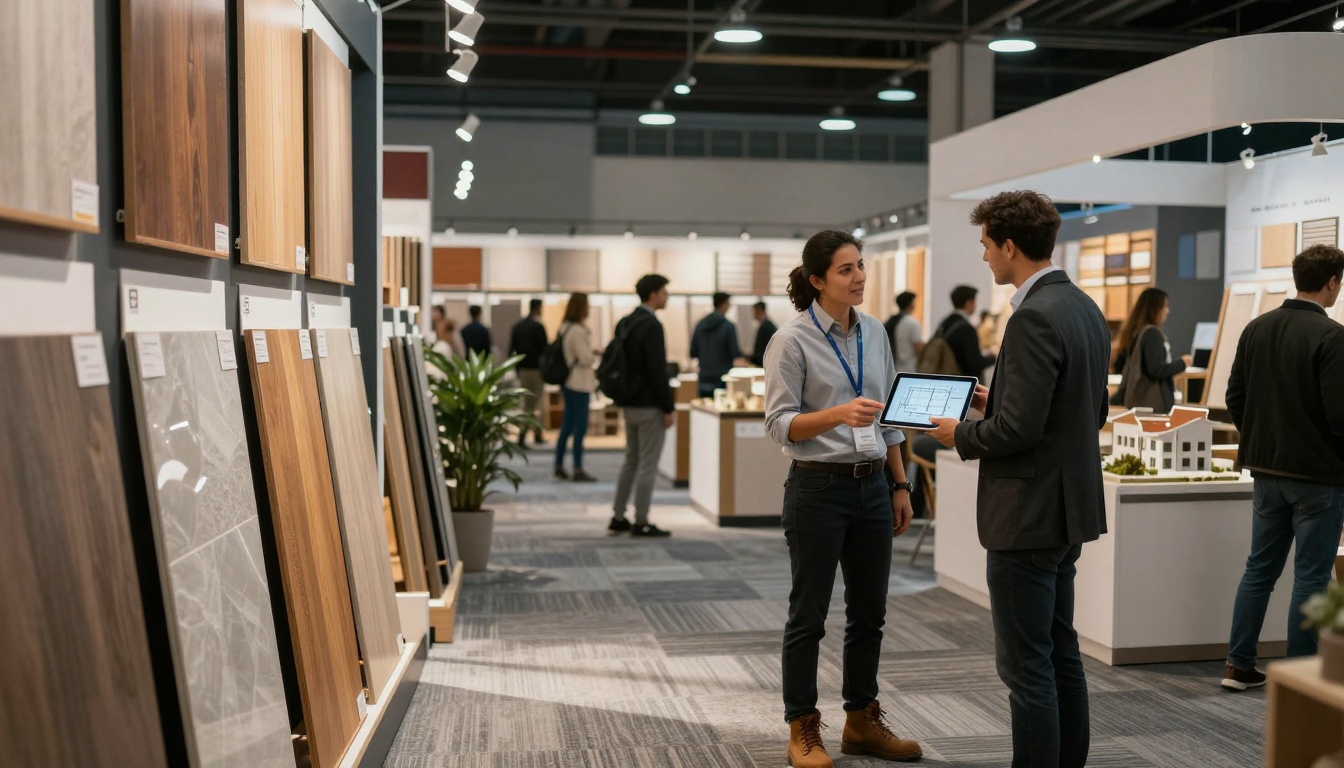
Buyers are shopping with tighter budgets and less appetite for impulse upgrades. That shows up as more interest in durable, long-wear surfaces for main living areas — the rooms that get judged hardest — and less spending on secondary spaces. It also shows up as faster decision cycles: when samples, room visualizers, and jobsite mockups make it easy to compare looks side by side, buyers commit sooner and expect installers to move just as quickly once the order is placed.
Installation quality itself has become a competitive differentiator, not just a cost center. Training opportunities — tile contractor education sessions, manufacturer-run workshops, regional certification events — are getting more attention industry-wide, and the companies sending crews to them are winning bids on reputation as much as price. The uncomfortable truth every experienced installer already knows still holds: a strong product fails fast when prep is rushed, moisture isn’t tested, or the wrong adhesive goes down. No visual trend survives bad substrate work.
Material transparency is also under more scrutiny than it used to be. Chemical testing and documentation are getting closer looks from specifiers and consumers alike, and the industry has had to respond — one notable example being manufacturers developing more sensitive detection methods for PFAS in manufacturing inputs after older testing protocols proved inadequate. For dealers and reps, this translates into more questions at the counter and more documentation requests in commercial submittals, so having clear, current answers ready is no longer optional.
Product category trends: what’s selling and where it fits
Resilient (LVP, LVT, sheet)
Resilient visuals are trending softer: lighter oak stains, low-contrast graining, and cleaner prints with fewer obviously repeating patterns. Natural color blends that hide dust and light scratching are outselling high-contrast, dramatic looks, especially in family homes. On performance, waterproof positioning remains the anchor claim, but buyers are asking sharper questions about wear-layer clarity, dent resistance, and dimensional stability rather than accepting “waterproof” as the whole story. Thicker vinyl builds are also gaining traction — buyers respond noticeably to a more solid feel underfoot, and it’s become an easy in-showroom differentiator. Resilient continues to win in rental and multifamily turns where speed and durability both matter, in retail and office refreshes that need short install windows, and in whole-home residential jobs where the customer wants one consistent look flowing through every room.
Laminate
Laminate is having a real rebound, driven by performance gains and price relief rather than nostalgia. Merchandising is leaning hard into water-resistant and spill-tolerant constructions, and visuals have closed much of the gap with premium resilient and wood thanks to better texture-to-print syncing. For sales conversations, “tough wear for active homes” messaging fits current buyer psychology well, paired with clear care guidance around standing water and seam maintenance — laminate still isn’t a wet-area product, and setting that expectation up front prevents callbacks. Comparing total installed cost against similar-looking vinyl or entry-level wood is a useful conversation for budget-conscious shoppers. Executive forecasts across the industry are pointing to continued laminate momentum heading into 2026, which is worth watching as directional support even without hard figures attached to any single company.
Wood
Wood’s visual story has calmed down: natural matte finishes, wider and longer boards where room dimensions allow, and cleaner grades with more consistent color rather than heavy rustic character. On the performance side, protective finishes and scratch resistance are getting more attention in marketing, and moisture-tolerance messaging is getting clearer along with the jobsite requirements attached to it. Manufacturing advances are giving wood brands a stronger story to tell about combined visual and performance improvements. Wood optimism can rise even while rates stay stubborn, because remodel-focused homeowners — the same rate-locked group mentioned earlier — are willing to invest in long-life surfaces when they’ve decided to stay put.
Tile and stone
Tile demand remains steady with targeted growth in specific looks: large-format tile with fewer grout lines where the substrate allows it, stone-inspired porcelain in warm neutral tones, and texture used as an accent rather than across an entire field. The install reality is getting more demanding as formats grow — substrate flatness and lippage control take on outsized importance with large-format product, and movement joints and moisture management need to be planned before setting begins, not patched in afterward. Training and adherence to current standards matter more every year that formats keep growing. Tile keeps winning in wet areas, entries, and high-heat zones, plus commercial restrooms and food-service back-of-house spaces where durability and cleanability are non-negotiable.
Cork and comfort floors
Cork and other comfort-focused floors remain a niche category, but a sticky one with the right buyer — comfort underfoot is the lead benefit and the reason people seek the category out in the first place. Water-resistance claims need to be explained carefully and with real limitations attached, since these products don’t perform like sheet vinyl in standing water. Antimicrobial positioning and eco claims are increasingly common on packaging, and both need documentation behind them before they’re repeated to a customer.
Design and style trends at the sample rack
Warm neutrals, sand tones, and light oak are dominating color requests. Greige is cooling off in some regions while staying strong in others, so local sample-rack testing still beats assuming a national trend applies everywhere. Dark floors haven’t disappeared, but they’re increasingly chosen as an accent rather than the default whole-home color.
Matte and low-sheen finishes continue gaining ground across categories, and resilient in particular is moving toward more believable grain texture and away from the “plastic shine” look that dated older sheet and LVT lines. Subtle hand-scraped visuals are declining in popularity in many markets as buyers favor cleaner, calmer surfaces.
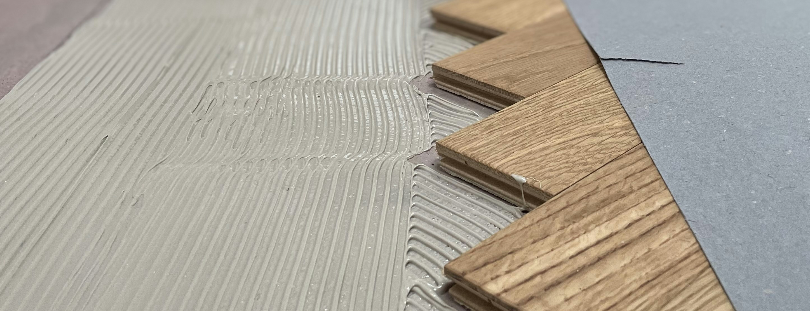
Wide plank has become the new normal rather than a premium upgrade in many categories. Herringbone and chevron layouts are showing up in small, high-impact zones — entries and powder baths — rather than whole rooms, and mixed-width plank looks are being used deliberately to add character in open floor plans without overwhelming them.
Color-matched moldings and transitions have quietly become a close-rate tool at the counter; buyers respond well when trim is presented as part of the finished look rather than an afterthought. Cleaner, lower-profile metal transition strips suit modern interiors better than bulky legacy profiles, and better stair solutions — flush stair noses and wrapped steps where code and product allow — are increasingly part of the sale rather than a separate line item.
New techniques and install practices on the jobsite
Subfloor prep is the real headline behind every visual trend on this list. Flatness targets vary by product type and need to be checked, not assumed, before material shows up. Moisture testing — both concrete and wood subfloors — belongs at the front of every job, not as a reaction to a problem after installation. Patch and skim strategies need to prioritize speed without becoming a shortcut that shows up as a callback three months later.
Floating versus glue-down decisions deserve real thought rather than defaulting to whatever’s fastest. Floating systems save time in the right conditions but cause callbacks when perimeter expansion, transition placement, and long-run limits aren’t respected. Acoustic underlayment choices matter increasingly in multifamily work, where sound transmission requirements are getting enforced more consistently.
High-volume crews are tightening their process with pre-check measure templates and cut lists that reduce waste and rework, staging material to minimize touches on-site, and dust-control and clean-as-you-go habits that protect finished floors in adjoining rooms during multi-day jobs.
Tile setting is seeing its own set of updates aimed at reducing failures: real coverage checks instead of eyeballing it, correct trowel selection and back-buttering on large-format pieces, and lippage-control systems used where they genuinely help rather than as a blanket fix. Movement joints need to be part of the layout plan from the first chalk line, not an afterthought once the field is set.
What’s changing inside flooring factories
Manufacturing is leaning further into automation to deliver consistent visuals and tighter-tolerance locking systems, which directly reduces installer headaches around board fit and click-lock performance. Quality control expectations on color-lot matching and embossing alignment are tightening, which matters most on large jobs where mismatched batches become visible fast. Documentation tied to sourcing and testing is expanding across the board, feeding directly back into the transparency and compliance questions dealers are now fielding at the counter — factory-level changes and showroom-level conversations are more connected than they’ve ever been.
Frequently asked questions about 2026 flooring trends
What flooring color is trending for 2026?
Warm neutrals, sand tones, and light oak visuals lead most markets, with greige holding strong in some regions and cooling in others. Dark floors are still used, but more often as an accent in a single room than as a whole-home default choice.
Is laminate flooring making a comeback in 2026?
Yes. Improved water-resistant constructions, sharper visuals with better texture syncing, and competitive pricing are driving renewed interest, especially among budget-conscious buyers comparing total installed cost against vinyl or entry-level wood.
What’s the biggest install challenge with 2026’s flooring trends?
Wider planks, larger tile formats, and continuous room-to-room runs all raise the stakes on subfloor flatness, moisture testing, and movement-joint planning. Skipping proper prep causes more visible, more expensive failures than it did with smaller-format products.
Why are buyers asking more questions about material testing and documentation?
Growing scrutiny around chemical testing, including improved PFAS detection methods, has made transparency a bigger part of purchasing decisions. Dealers and reps now need clear, current documentation ready for both residential customers and commercial submittals.
Keep reading
More in Trends & Market Outlook: 2026 Laminate Flooring Comeback Signals Dealers Should Watch, New Flooring Trends in 2026: Warm Looks, Softer Finishes, and Smarter Materials.